
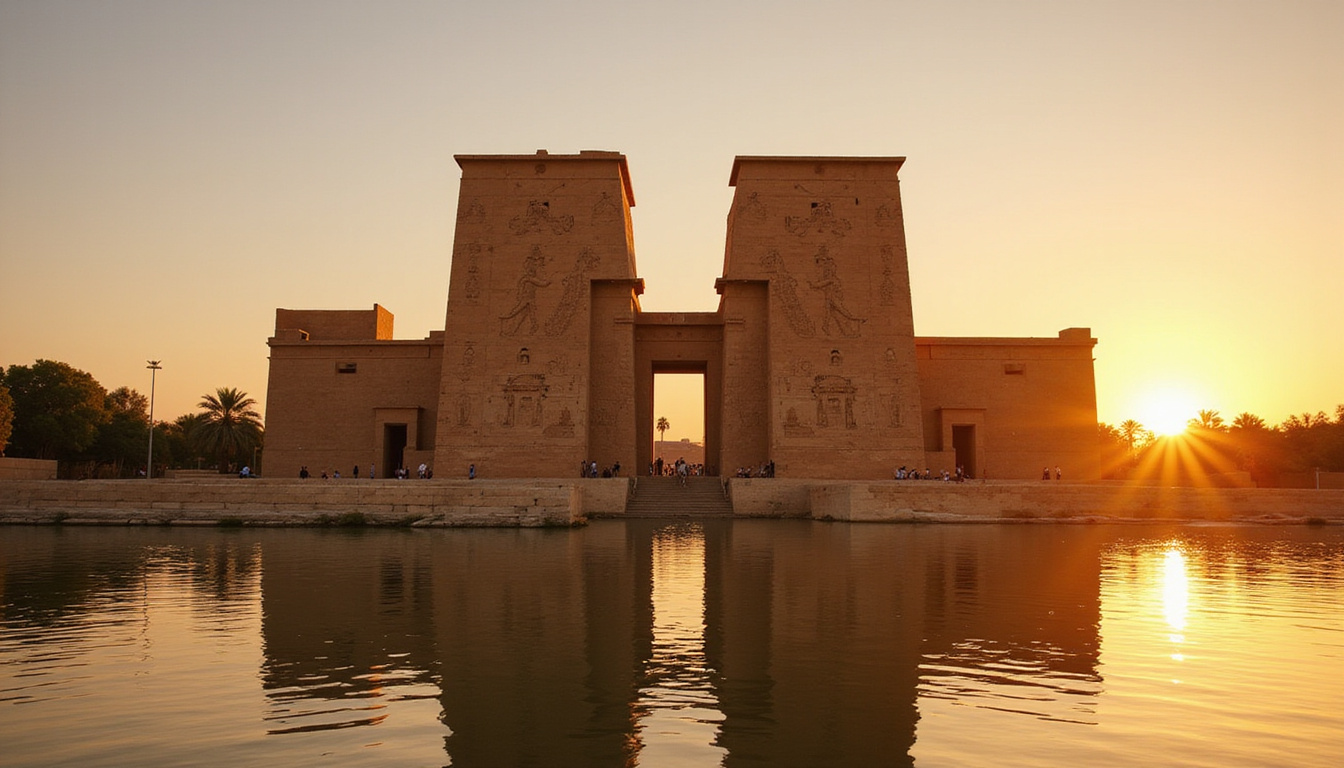
Kom Ombo Cruise: Ultimate Guide to Nile Temples and Excursions
A Kom Ombo cruise lets you feel the Nile. You sail on Egypt’s ancient river, see old temples, and relax between Aswan and Luxor. First-time visitors or expats in Cairo find that the journey by water meets history face to face. You pass palm-lined banks and see 2,000-year-old temples as if you step into the past.
This guide gives you the key details you need—what to see, how a Kom Ombo cruise works, what happens on board, food, costs, safety, and hints on planning your Nile temple trips.
Why Include a Kom Ombo Cruise on Your Egypt Trip?
A Kom Ombo cruise stands as a part of the classic Luxor–Aswan Nile cruise route. It gives you the chance to wake up, step off your boat, and stand at the foot of Kom Ombo Temple—a riverside ruin that feels full of spirit.
Main reasons to add Kom Ombo to your Nile plan
- A temple by the river: The Temple of Kom Ombo honors two gods, Sobek (the crocodile god) and Horus (the falcon god).
- Quiet river life: Compared with busy Cairo or Luxor, this passage of the Nile stays calm with small villages and fields.
- Simple planning: The cruise takes care of guides, tickets, and transport so you skip planning temple visits on your own.
- Good for travellers and expats: Short cruises suit quick getaways while longer ones work for an extended trip.
What Is a Kom Ombo Cruise, Exactly?
A Kom Ombo cruise is a trip that usually follows one of these forms:
- A 3–4 night one-way journey between Aswan and Luxor (or the other way) that stops at Kom Ombo.
- Part of a longer 7-night round-trip on the Nile, where you visit many ancient temples.
Common Nile cruise routes including Kom Ombo
Many Nile cruises have a pattern like this (the order may flip):
- Aswan → Kom Ombo → Edfu → Esna → Luxor
- Or Luxor → Esna → Edfu → Kom Ombo → Aswan
You almost always see Kom Ombo along with Edfu, as both lie on the west bank of the Nile.
Highlights of the Temple of Kom Ombo
The temple is the main star of a Kom Ombo cruise. It sits on a high bend of the Nile with striking views.
Two-in-One Temple Layout
Kom Ombo is a double temple built for two gods:
- Sobek, the god of the Nile, fertility, and crocodiles
- Horus the Elder, the sky god and protector
Each god has its own halls and sanctuaries. The design gives two sets of chapels and rooms, and both sides show carvings of past rituals and gifts.
This dual style is rare in Egypt and gives the temple a charm you will not see elsewhere.
Features That Draw You In
When you visit on your cruise, watch for:
- Carved medical tools: The walls show small tools that look like scalpels and forceps, which hint at old medical knowledge.
- Nilometer: A stairway that goes underground to measure the Nile’s flood levels and help plan crops.
- Crocodile mummy display: A nearby small museum shows mummified crocodiles and tells the story of Sobek.
- Beautiful sunrise or sunset: Depending on the schedule, the soft light on the Nile makes the view at Kom Ombo very photo-worthy.
Kom Ombo Cruise Itinerary: How Your Days Flow
Each boat arranges a few different stops, but a cruise with Kom Ombo usually follows this pattern:
Day 1 – Arrival and Boarding (Aswan or Luxor)
- You check in to your Nile boat around midday.
- You eat lunch on board and may go on an afternoon trip (for example, visiting the Aswan High Dam, Philae Temple, or Karnak/Luxor Temple if starting in Luxor).
- You have dinner and spend the night on board.
Day 2 – Sailing to Kom Ombo and Temple Visit
- You glide along the Nile and see villages, fields, and feluccas near the shore.
- You dock at Kom Ombo in the late afternoon or early evening.
- A guide takes you through Kom Ombo Temple and the small crocodile museum.
- After the visit, you return to the ship for dinner and then set sail toward Edfu or Esna.
Day 3 – Visit Edfu and More Temples
- Early morning, you ride by carriage or minibus to visit Edfu Temple.
- You resume sailing, and you pass through the Esna Lock, which is an experience in itself.
- You enjoy time on the sun deck or in a lounge as you near Luxor.
Day 4+ – Arrival in Luxor and the West Bank
- In Luxor you may visit Karnak Temple, Luxor Temple, the Valley of the Kings, Hatshepsut’s Temple, and more.
- In Luxor you spend free time in the evening or join a sound-and-light show.
Some plans add extra days for visits to Nubian villages or an extra trip to Abu Simbel by bus or air.
Best Time to Take a Kom Ombo Cruise
Egypt’s climate shapes how you feel on your cruise.
Best Months
- October to April bring cooler days (20–28°C / 68–82°F) that suit temple visits and time on deck.
- Peak times include December to February when many people travel and prices rise, yet the weather stays fine.
Things to Know in Summer
- May to September can be very hot, with temperatures up to 35–45°C (95–113°F) in Upper Egypt.
- If you travel in summer, choose a boat with a good pool and strong air conditioning.
- Plan your outside trips for early morning or late afternoon, drink plenty of water, and wear sun-safe clothes.
For local weather and travel updates, check Egypt’s official tourism site and use local forecasts (source: Egypt.travel).
Life On Board: Cabins, Food, and Facilities
Most Nile cruise boats work much like a small hotel on the water. The quality ranges from simple three-star to fancy five-star, with some heritage-style boats too.

Cabins
- Private bathrooms with showers face the needs of guests.
- Big windows let you watch the river closely.
- Air conditioning keeps cabins cool, and staff clean daily.
- Some ships have suites with balconies for a wide view of the Nile.
Food and Local Cuisine
Meals are usually buffet style. You eat international food as well as Egyptian dishes:
- Breakfast may include eggs, breads, cheeses, ful medames (stewed fava beans), falafel, and fruit.
- Lunch and dinner might have grilled chicken or fish, meatballs (kofta), rice, pasta, and salads, along with dips like tahini and baba ghanoush and a choice of fresh vegetables.
- Desserts include sweets like basbousa, konafa, rice pudding, or regular cakes.
Usually, the cruise can adjust to diets like vegetarian, vegan, halal, or gluten-free if you mention it in advance.
Facilities
Most boats on a Kom Ombo cruise have a:
- Sun deck with a pool and plenty of loungers
- Bar in the lounge where sometimes music plays live
- Small spa or massage area on some ships
- Wi-Fi service, whether free or paid, though the speed can vary
Evening programs might include:
- A local dress party night
- Music and dancing with a Nubian beat
- Informal talks by an Egypt expert guide
Costs: How Much Does a Kom Ombo Cruise Cost?
Prices change a lot. Here are rough rates per person (sharing a double cabin) on a 3- or 4-night cruise:
- Budget (3★): about $250–$350
- Mid-range (4★): about $350–$550
- High-end (5★): around $550–$900+
- Luxury boutique or ultra-luxury: $1,000 or more
What the Price Usually Covers
- Your room on board
- All meals during the cruise (breakfast, lunch, dinner)
- Guided trips to Kom Ombo, Edfu, and the key temples
- Entrance fees to major sites (sometimes extra—check with your operator)
- Transfers between boat and main sites
What the Price Does Not Cover
- Beverages (water, soft drinks, and alcohol)
- Tips for staff and guides (often collected at the end)
- Optional side trips (to Abu Simbel or extra shows)
- Extras on board like spa treatments or laundry
Simple tips for saving money:
- Travel in the shoulder months (October–November or March–April) to enjoy fair weather and better rates.
- Compare booking directly with package tours since sometimes local agents can give better deals.
- Ask for a clear list of what is included and what isn’t when you book.
Tips to Keep Your Kom Ombo Cruise Smooth
1. What to Pack
- Choose light, breathable clothes and a light jacket for cool evenings.
- Pack comfortable shoes or trainers for walking at temples.
- Bring a sun hat, sunglasses, and high-SPF sunscreen.
- Prepare modest clothing that covers shoulders and knees for temple visits and city walks.
- Carry a power adapter (Egypt uses Type C and F plugs, with 220V).
2. Health and Safety
- Do not drink the tap water provided on boats. Use bottled or filtered water instead.
- Bring basic medicines such as stomach aids, pain relievers, and rehydration salts.
- Stick with your guide in crowded areas and busy streets.
- Egypt is safe along the main Nile route when you take normal precautions.
3. Cultural Manners
- Greet people kindly; a simple “salaam alaikum” goes far.
- It is common to tip; for small services like porters or drivers you keep small notes (5–20 EGP).
- At the end of the cruise, your guide may ask everyone to share a tip for the staff.
- Always ask before you take a photo of people in villages or markets.
Kom Ombo Cruise versus Day Trip: Which Is Best for You?
Some travellers ask if a full Nile cruise including Kom Ombo is best or if a road or train day trip can work.
Benefits of a Kom Ombo Cruise
- You avoid the hassle of train, bus, or taxi rides between cities.
- You see all main riverside temples in one smooth package.
- You also enjoy calm time on the Nile between stops.
- The package works best if you like a set route with a guide.
When a Day Trip May Work Better
- If your time is very short and you are based in Aswan or Luxor.
- If you prefer to travel on your own using local guesthouses.
Most visitors and many expats find that a full Kom Ombo cruise gives more value and a stronger feel for the river than piecing trips together on your own.
Getting to and from Your Kom Ombo Cruise
You usually start in either Aswan or Luxor.
From Cairo
- By air:
- Flights connect Cairo with Aswan or Luxor in about 1–1.5 hours.
- This option saves time and offers comfort.
- By train:
- Overnight sleeper trains run between Cairo and Luxor/Aswan and often include dinner and beds.
- Day trains cost less but can take 9–13 hours.
From Hurghada or Red Sea Resorts
- You can take a bus or private car overland to Luxor (roughly 4 hours).
- Some plans mix a beach stay at the Red Sea with a trip along the Luxor–Aswan–Kom Ombo route to give a diverse Egypt experience.
Check with your cruise operator for pickup options. Many can arrange transfers from the airport or hotel to the boat.
FAQ: Kom Ombo Cruise and Nile Temple Travel
1. Is a Kom Ombo Nile cruise good for first-time visitors?
Yes. A Kom Ombo Nile cruise lets you see Egypt’s classic temples—Kom Ombo, Edfu, Karnak, and Luxor Temple—without the need to plan every detail. Guides and transport come with the package. This helps if you are new to Egypt or if you want a stress-free trip.
2. How many days do I need for a Nile cruise with Kom Ombo Temple?
Most travellers choose a 3–4 night Nile cruise that includes Kom Ombo Temple. This time lets you see Aswan’s highlights, Kom Ombo, Edfu, the Esna Lock, and both banks near Luxor without rushing. If you prefer a slower pace or extra visits such as Abu Simbel, consider a 5–7 night trip.
3. Is it safe to join a Kom Ombo and Aswan cruise as a solo traveller?
Yes. A Kom Ombo and Aswan cruise is generally safe for solo travellers, including women traveling alone. Cruises run on established routes with professional staff and Egypt experts. Choose a trusted operator, listen to local advice, and take normal precautions like avoiding dark areas at night and keeping your valuables secure.
Internal and External Links Suggestions
Internal:
- Link to a post about “Best Egypt Itinerary: Cairo, Luxor, Aswan & Nile Cruise.”
- Link to a guide on “What to Wear in Egypt: Packing List for the Nile and Cairo.”
- Link to “Cairo Travel Guide: Pyramids, Museums, and Local Neighborhoods.”
External:
- Egypt’s official site for tourist information and seasonal tips: https://www.egypt.travel
- Visa and entry rules from your home country’s travel advisory or from Egypt’s consular pages.
Ready to Plan Your Kom Ombo Cruise?
Sailing to Kom Ombo does more than add another temple to your list. It means going down the river that powered ancient lives, watching daily Egyptian life on the banks, and moving directly from your boat to a time-honored sanctuary by the water.
If you dream of temples at sunrise, calm evenings on deck, and the ease of a pre-planned Nile trip, a Kom Ombo cruise is one of the smartest ways to experience Upper Egypt.
Start comparing routes, dates, and boats now. Reserve your cabin before peak season fills up. For tips on cruise options, side trips, or planning to combine a Nile cruise with a visit to Cairo or a Red Sea resort, see our related guides or send us your questions and travel ideas. Your Nile adventure is waiting.
SEO Meta Tags
Meta Title:
Kom Ombo Cruise Guide 2025: Best Nile Temples, Prices & Itineraries
Meta Description:
Plan your Kom Ombo cruise on the Nile. Find details on the best temples, routes, prices, seasonal tips, and on-board life in this complete 2025 guide for travellers and expats.