
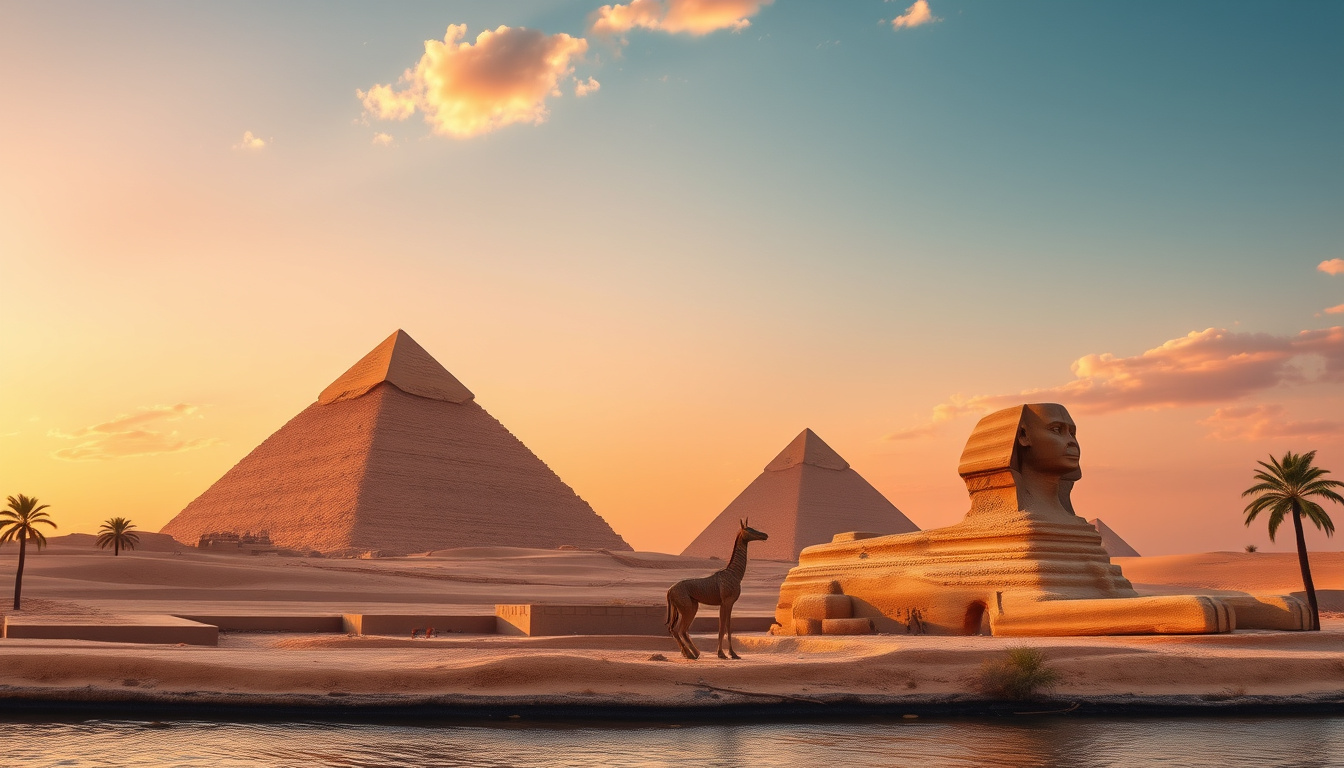
Egypt, a land rich with ancient wonders, bustling cities, and vibrant culture, is a dream destination for many travelers. From the iconic Pyramids of Giza to the historic temples of Luxor, and from serene Nile cruises to thrilling Red Sea adventures, Egypt offers a diverse travel experience. However, to fully appreciate your journey and navigate the country smoothly, it’s essential to be well-prepared. This guide compiles key insights to help you plan your Egyptian adventure with confidence.
Arriving in Egypt: Visas and Entry
When you arrive in Egypt, understanding the visa process is crucial. Visitors can obtain a 30-day all Egypt visa on arrival for approximately $25 USD. This single visa allows access to major key locations including Cairo, Alexandria, Luxor, and more without needing separate regional visas. Previously, distinct visas were required for different areas like the Cairo district, but now this all-encompassing visa simplifies travel considerably.
Remember, hold on to your visa document throughout your stay, as it will be checked multiple times. If you only obtain a visa for a specific district, such as Sharm el-Sheikh, you’ll need to get another visa to visit other regions, adding complexity and cost.
Best Time to Visit Egypt
Egypt’s climate is dominated by very hot summers and mild winters. The best time to visit is from October to April, when the weather is relatively cooler and more comfortable for sightseeing and outdoor activities. July is the hottest month — temperatures during midday can soar, especially around landmarks like the Pyramids of Giza. If possible, avoid outdoor activities between noon and 3 PM during peak summer to beat the intense heat.
Visiting in winter months or early spring avoids the scorching sun and makes exploring archaeological sites, bustling markets, and open-air cafés a more pleasant experience.
Understanding Egypt’s Culture and Cities
Egypt is home to over 100 million people, predominantly Arabic speakers. The official currency is the Egyptian Pound (EGP). It is crucial to grasp that Egypt is a cradle of civilization. Ancient heritage, some of humanity’s oldest archaeological discoveries, and historic sites abound.
The country presents a fascinating dichotomy between Old Cairo with its centuries-old architecture and traditions, and New Cairo, a modern metropolis boasting contemporary amenities, international restaurants, and shopping malls. Exploring both cities will offer a more well-rounded perspective of Egypt’s blend of ancient and modern life.
Staying Safe in Egypt: Tips and Precautions
While Egypt isn’t without its risks, it is generally safe, especially in popular tourist areas during the day. Walking around Cairo or Luxor on your own is manageable but always exercise common travel vigilance. Avoid isolated areas, keep your belongings secure, and stay aware of your surroundings.
If you feel uneasy about navigating the bustling streets or negotiating with vendors, hiring a professional tour guide is highly recommended. Guides not only enhance your cultural experience but also reduce any stress related to safety or logistics.
Navigating Negotiations and Avoiding Hustlers
Tourist spots such as the Pyramids and local bazaars can attract hustlers who try to inflate prices or add hidden fees after an initial deal. The best practice is to agree on prices upfront clearly and confidently. Always negotiate beforehand and do not hesitate to walk away if terms are unclear.
Booking tours and services through your hotel or reputable agencies is a safer option to avoid scams. Professional guides often provide fixed, transparent pricing and can shield you from pushy street vendors.
Egyptian Cuisine: What to Expect
Egyptian food is flavorful and diverse, offering numerous traditional dishes rooted in Middle Eastern flavors. Expect to enjoy:
- Grilled meats like kebabs and shawarma
- Stuffed vegetables and rice-based dishes
- Fresh salads with tomatoes, cucumbers, and local greens
- Classics such as falafel, hummus, and grape leaves
- Various types of freshly baked bread
When trying street food, exercise caution about hygiene and water consumption, as foodborne issues known colloquially as “Cairo Crud” are common among tourists who eat indiscriminately. Opt for freshly cooked meat or well-cooked items like kebabs or shawarma.
Breakfasts typically include eggs, local cheeses, and yogurt but generally exclude pork products due to cultural preferences.
For those seeking familiar dining options, New Cairo and other modern city districts boast international chains such as Starbucks, Dunkin’ Donuts, Krispy Kreme, and TGIF.
Accommodation Options: Resorts, Hotels, and Airbnb
Egypt’s tourism industry is a major economic pillar, second only to revenue from the Suez Canal. The country offers a wide range of accommodation types:
- Luxury resorts and international chain hotels including Marriott, Four Seasons, St. Regis, and Hyatt — especially prevalent in Cairo, Luxor, and Sharm el-Sheikh.
- Budget options such as hostels or local guesthouses.
- Airbnb rentals offer affordable stays starting from around $20 per night. However, it’s essential to research the neighborhood carefully to ensure safety and accessibility to transportation.
Be mindful when booking cheap accommodation in less central areas — transportation options may be limited, and convenience factors should weigh into your choice.
Transportation in Egypt: Getting Around Efficiently
Traveling between major cities like Cairo, Luxor, and Alexandria offers multiple options:
- Domestic flights provide quick travel between distant cities.
- Sleeper trains are available for overnight journeys, such as Luxor to Cairo.
- For shorter trips, especially within cities, private cars or taxis are preferred over public buses, which can be unreliable.
Hotels often help arrange private drivers, which is safer and usually more comfortable. When visiting tourist sites, hiring guided private tours is more flexible and often more informative than large group buses.
Activities and Attractions: From Ancient Sites to Beach Adventures
Egypt offers a vast spectrum of activities:
- Historic sites: The Pyramids of Giza, the Sphinx, Luxor’s Valley of the Kings, Abu Simbel temples, and the Temple of Horus.
- Nile River Cruises: These riverboats often feature entertainment and buffet dining, providing a relaxing way to explore the heart of Egypt.
- Mount Sinai: Known as Moses Mountain, it is a popular hiking destination with early morning treks starting around 1 AM to catch the breathtaking sunrise.
- Red Sea activities: Resorts like Sharm el-Sheikh and Hurghada offer world-class diving, snorkeling, parasailing, and boat tours. The coral reefs here remain some of the best-preserved globally.
- Beach towns: Charming Mediterranean and Red Sea coastal spots for swimming, floating docks, jet skiing, and banana boat rides.
Whether you enjoy history, nature, or water sports, Egypt caters to a wide range of interests.
Frequently Asked Questions (FAQs)
1. Do I need a visa before traveling to Egypt?
Most travelers can obtain a 30-day tourist visa on arrival at Egyptian airports for around $25, which covers most tourist destinations. Check with your embassy for specific country requirements.
2. Is Egypt safe for solo travelers?
Generally, yes—especially during daytime and in popular tourist areas. Exercise usual safety precautions, avoid late-night wandering in unfamiliar districts, and consider hiring a local guide for peace of mind.
3. What is the best way to get between cities like Cairo and Luxor?
Domestic flights offer the fastest option, while sleeper trains provide an adventurous overnight alternative. For shorter distances like Cairo to Alexandria, private drivers or rented vehicles are common and more reliable than buses.
4. Can I drink tap water in Egypt?
It is advisable not to drink tap water directly. Stick to bottled water and avoid ice in street food. Proper hydration with safe water credits a better travel experience.
5. What cultural etiquette should I be aware of when visiting Egypt?
Respect local customs by dressing modestly, especially in religious or rural areas. Avoid public displays of affection, and ask permission before photographing people.
6. Are there vegetarian food options in Egypt?
Absolutely. Common vegetarian dishes include falafel, hummus, stuffed vine leaves, and various salads. However, menus often center around meat, so plan accordingly if vegetarian.
7. How can I avoid tourist scams?
Negotiate prices upfront, rely on reputable tour operators, and book excursions through your hotel when possible. Be cautious of overly persistent vendors.
Conclusion
Egypt is a magical land where ancient wonders sit side by side with vibrant modern life. Proper preparation and knowledge of the country’s culture, visa processes, best travel seasons, safety tips, and transportation options will enable you to make the most of your visit. Whether you’re marveling at historic pyramids, cruising down the Nile, or enjoying the stunning Red Sea reefs, a little planning goes a long way in ensuring a memorable and smooth experience. Pack your bags, embrace the adventure, and get ready for an unforgettable Egyptian journey!