
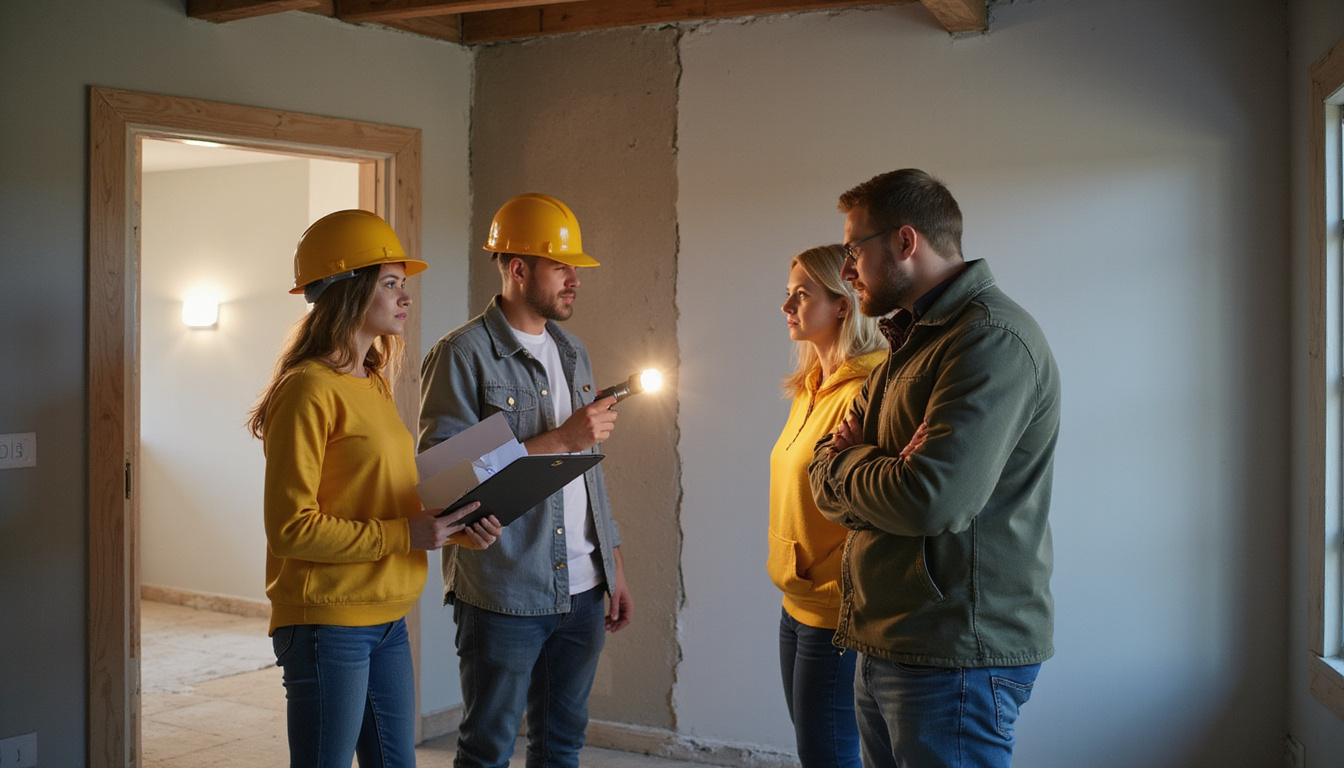
Property inspections are one of the most powerful safeguards a homebuyer has before signing on the dotted line. Whether you’re purchasing an apartment in Cairo, a villa in New Cairo, or a coastal home in the North Coast, understanding property inspections can save you from costly surprises, renegotiations, or even dangerous structural issues after closing.
This guide walks you step-by-step through what inspections cover, how they work in Egypt and similar markets, what to watch out for, and how to use the results to protect your investment.
Why Property Inspections Matter So Much
When you fall in love with a property, it’s easy to judge it by its surface: fresh paint, stylish finishes, a great view. But inspections look beyond appearances to uncover:
- Structural weaknesses
- Hidden moisture or water leaks
- Electrical and plumbing issues
- Poor workmanship or unapproved alterations
In Egypt’s fast-growing property market—where new compounds, gated communities, and investment units are launched constantly—quality can vary drastically from one developer or building to another. A thorough inspection helps you:
- Verify that what you’re buying matches the contract and marketing promises
- Estimate upcoming repair and maintenance costs
- Gain leverage to renegotiate the price or demand repairs
- Decide whether to move forward or walk away before closing
Treat property inspections as an essential step, not a formality.
Types of Property Inspections Homebuyers Should Consider
Depending on the property type, age, and location, you may need more than one inspection. The most common ones include:
1. General Structural and Condition Inspection
This is the “core” inspection, usually conducted by an engineer or licensed inspector. It covers:
- Foundations, columns, and beams
- Walls, ceilings, and floors
- Roofing and waterproofing (for villas, penthouses, or top floors)
- Doors and windows (alignment, sealing, locking)
- Visible cracks and signs of structural movement
In Egypt, this step is especially important for:
- Older inner-city buildings in Cairo and Alexandria
- Top-floor apartments (exposure to heat and leakage)
- Villas built on reclaimed or sloping land
2. MEP Inspection (Mechanical, Electrical, Plumbing)
Newer compounds often look flawless but hide serious MEP issues. An MEP-focused property inspection typically checks:
- Electrical panel, breakers, and wiring safety
- Number and placement of sockets and light points
- Water pressure and hot water systems
- Drainage and sewage connections
- Air conditioning units and ducting (for finished units)
Poor MEP execution can lead to recurring breakdowns, short circuits, or constant plumbing repairs—costs that add up quickly after you move in.
3. Finishing and Snagging Inspection
For newly delivered or “semi-finished” properties, a detailed snagging inspection focuses on workmanship and finishes:
- Tile alignment, hollow tiles, and grout lines
- Paint quality, patching, and moisture bubbles
- Cabinet installation, doors, and wardrobes
- Kitchen countertops and bathroom fixtures alignment
- Window sealing and balcony railings
In Egypt, many buyers receive units directly from developers and underestimate snagging. A professional snag list submitted before final handover can oblige the developer to fix a wide range of defects at their expense.
4. Specialized Inspections (When Needed)
Depending on your situation, you might also consider:
- Pest inspection – termites, rodents, or infestations, especially in ground-floor or garden units.
- Roof and waterproofing inspection – for standalone villas or older buildings with history of leaks.
- Pool and landscaping systems inspection – for villas with private pools or complex irrigation.
When Should Property Inspections Happen?
Timing is critical. As a homebuyer, you want to inspect before you are fully committed and while you still have negotiation power.
Typical timing:
- Resale units: After your offer is accepted but before you pay a large non-refundable deposit or sign final contracts.
- Off-plan and new developments:
- Once construction is substantially complete (pre-handover inspection)
- Again at the actual handover, checking that snagging items were fixed
Aim to include an inspection clause in your purchase or reservation agreement, stating that closing is contingent on satisfactory inspection or mutually agreed repairs.
What Exactly Do Inspectors Look For?
While each professional may have their own checklist, a comprehensive property inspection usually covers:
Structural and Exterior
- Visible cracks (horizontal, vertical, or diagonal)
- Signs of settlement or sagging floors
- Condition of exterior walls and balconies
- Railings stability and height standards
- Roof condition and drainage points (for top floors or villas)
Interior and Layout
- Room measurements and comparison with the contract/floor plan
- Plumb walls and level floors
- Door and window operation (opening, closing, locking)
- Sound insulation and obvious noise issues
Electrical System
- Capacity and layout of the electrical panel
- Safety of wiring and visible junction boxes
- Adequate number of power outlets and their grounding
- Functionality of switches and light points
Plumbing System
- Water pressure in all taps and showers
- Hot water availability and heater safety
- Flush function of toilets, drainage speed of sinks/showers
- Visible leaks under sinks or around fixtures
Finishes and Details
- Tile cracks, hollow sounds, and alignment
- Quality of grouting and silicone around wet areas
- Paint coverage, cracks, or moisture spots
- Cabinet alignment, hinges, and handles
Inspectors often produce a written report or detailed snagging list with photos and comments. This document is your key negotiation tool.

Choosing a Reliable Property Inspector
Not all property inspections are equal. A rushed, superficial inspection can miss major issues. When selecting a professional:
- Look for engineering or technical credentials – civil engineer, architect, or licensed inspector.
- Check local experience – someone familiar with Egyptian building practices, compounds, and common defects.
- Ask for a sample report – to see how detailed, visual, and clear it is.
- Clarify the scope and fees – what’s included, how long the visit will last, and delivery time of the report.
Whenever possible, attend the inspection. Walking through the property with the inspector helps you understand issues in simple language and ask questions on the spot.
Common Red Flags to Watch For
While not every defect is a deal-breaker, some findings should make you pause, renegotiate, or seek a second expert opinion:
- Major structural cracks – wide, stair-step, or expanding cracks in beams, columns, or load-bearing walls.
- Severe damp or recurring water intrusion – especially around ceilings, external walls, or bathrooms.
- Improvised structural changes – walls removed without permits or professional design, especially in older buildings.
- Dangerous electrical work – exposed wiring, overloaded panels, lack of grounding.
- Poor drainage and ponding – around villas or roof areas, leading to long-term damage.
Some problems are repairable and can be priced into the deal. Others may affect safety and future resale value to the point where walking away is the wisest choice.
How Much Do Property Inspections Cost—and Are They Worth It?
Costs vary widely by city, property size, and inspector reputation. In many markets (including Egypt):
- Basic apartment inspection: relatively modest fee
- Large villas or multi-level homes: higher fee
- Additional specialized reports (structural, MEP, pest): extra charges
Compared to the property price, the fee is usually tiny. Yet a good inspection can:
- Save you from buying a problematic property
- Justify a price reduction that’s many times the inspection cost
- Force the seller or developer to correct defects before you move in
Internationally, consumer advocates and housing authorities consistently highlight inspections as a key protection for buyers (source: U.S. Department of Housing and Urban Development).
Using Inspection Results to Negotiate Before Closing
The real power of property inspections lies in how you use the findings.
Step 1: Review and Prioritize
Ask your inspector to help categorize issues:
- Critical (safety/structural)
- Major (costly repairs soon)
- Minor (cosmetic or low-cost fixes)
This helps you focus your negotiation on what truly matters.
Step 2: Decide Your Strategy
You generally have three options:
Request repairs before closing
- Common for developer handovers or cooperative sellers.
- Always require written confirmation and, if possible, re-inspect after repairs.
Ask for a price reduction or credit
- Better when you prefer to control the quality of repairs yourself.
- Base your request on realistic contractor quotes, not rough guesses.
Walk away
- Appropriate when structural or foundational problems are severe or when the seller refuses reasonable repairs or discounts.
Step 3: Put Everything in Writing
Work with your lawyer or agent to:
- Add inspection findings and agreed repairs to the contract
- Include deadlines and standards for completion
- Reserve the right to re-inspect if needed
Without written documentation, verbal promises are easily forgotten after closing.
Special Considerations for Off-Plan and New Developments in Egypt
If you’re buying off-plan from a developer in Egypt, inspections look a bit different:
You can’t inspect before construction, but you should scrutinize:
- The developer’s track record and previous projects
- Clauses regarding construction quality, specifications, and penalties for delays
Pre-handover inspection: Once your unit is structurally complete and finishes are nearly done, insist on:
- A full snagging list (tiles, paint, windows, doors, fixtures)
- MEP testing (electrical, water, AC)
Post-handover issues:
- Most developers offer a limited warranty period for structural and MEP issues.
- Report any issues in writing within this period and keep all communication documented.
For a personal look at the realities and surprises of moving into a home in Egypt, this video is an insightful complement:
[Things I Wish I Knew Before Moving to Egypt – My Honest Experience](
Practical Checklist for Your Property Inspection Day
Use this simple list to stay organized and get the most from your inspection:
- Bring:
- Copy of contract/floor plan
- Notepad or notes app
- Measuring tape (optional)
- Arrive on time and plan at least 1.5–3 hours, depending on property size.
- Walk through each room with the inspector, asking: “Is this normal? What would it cost to fix?”
- Take your own photos and short videos for reference.
- Confirm when you’ll receive the written report and in what format (PDF with photos is ideal).
FAQ: Common Questions About Property Inspections
1. Do I really need property inspections for a brand-new unit?
Yes. Even in new compounds, mistakes in tiling, plumbing, or electrical work are common. A proper property inspection for new construction helps you submit a snagging list so the developer fixes defects before handover—saving you time and money.
2. Who should pay for a home property inspection, the buyer or seller?
Typically, the buyer pays for the home property inspection, because it’s performed for the buyer’s benefit and protection. However, in competitive markets or with reputable developers, the seller may agree to cover certain repairs or provide their own inspection reports as part of their sales package.
3. Can I skip residential property inspections if I’m getting a mortgage?
No. Bank or lender visits focus on valuation, not condition. A lender’s appraisal does not replace residential property inspections. Your own independent inspection is still essential to understand the real state of the property and future maintenance costs.
Protect Your Investment: Don’t Close Without a Proper Inspection
Buying a home—whether it’s your primary residence, a holiday property in the North Coast, or an investment unit in New Capital—is one of the biggest financial decisions you’ll ever make. Property inspections give you clarity, leverage, and peace of mind at the most critical moment: right before closing.
Instead of relying on appearances or marketing brochures, rely on evidence:
- Bring in a qualified inspector or engineer
- Demand a detailed written report
- Use the findings to negotiate smarter—or walk away if necessary
If you’re preparing to buy in Egypt or elsewhere and want to safeguard your purchase, your next step is clear: schedule a professional property inspection before you commit to closing. A few hours of careful examination today can prevent years of regret, unexpected repair bills, and legal headaches tomorrow.